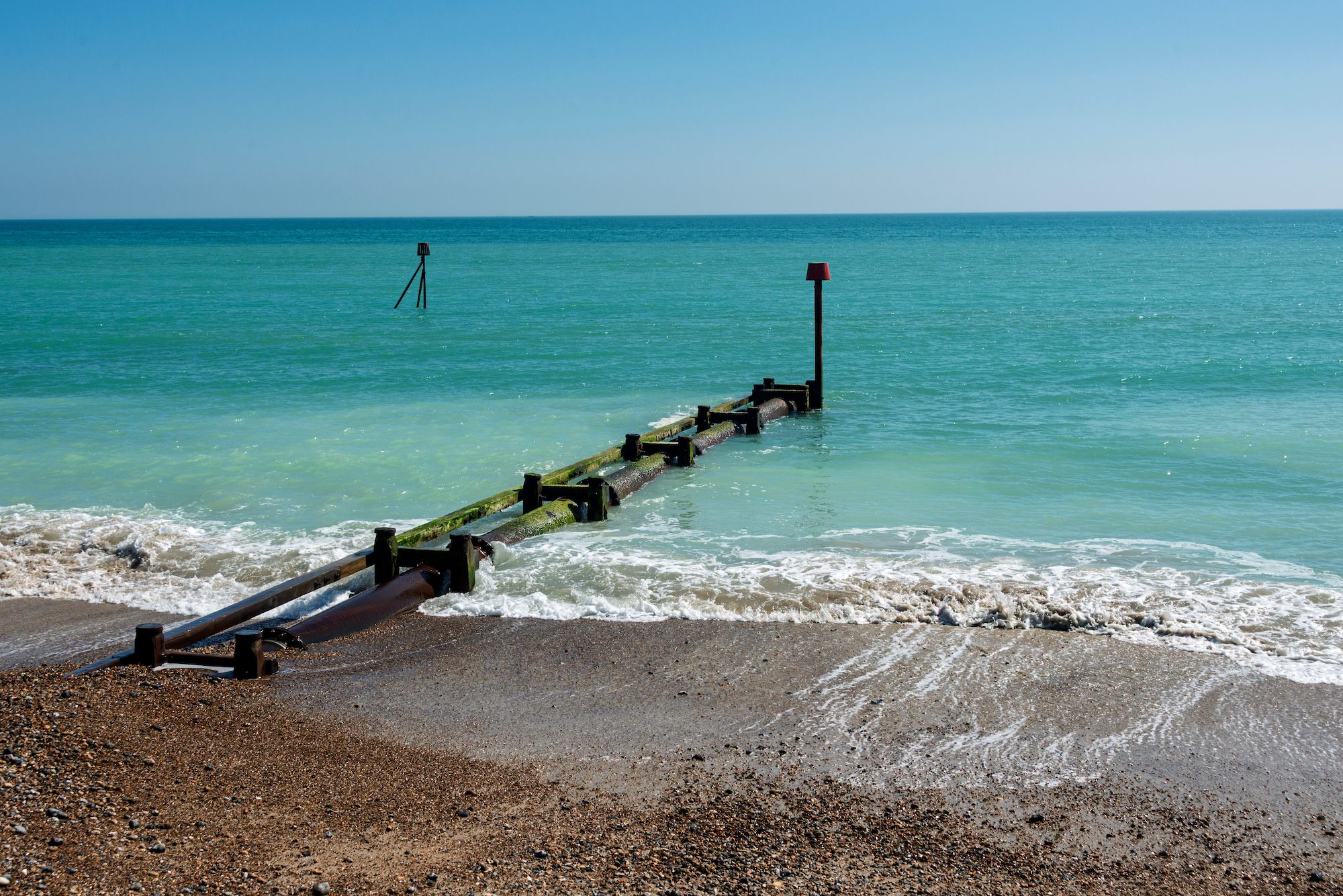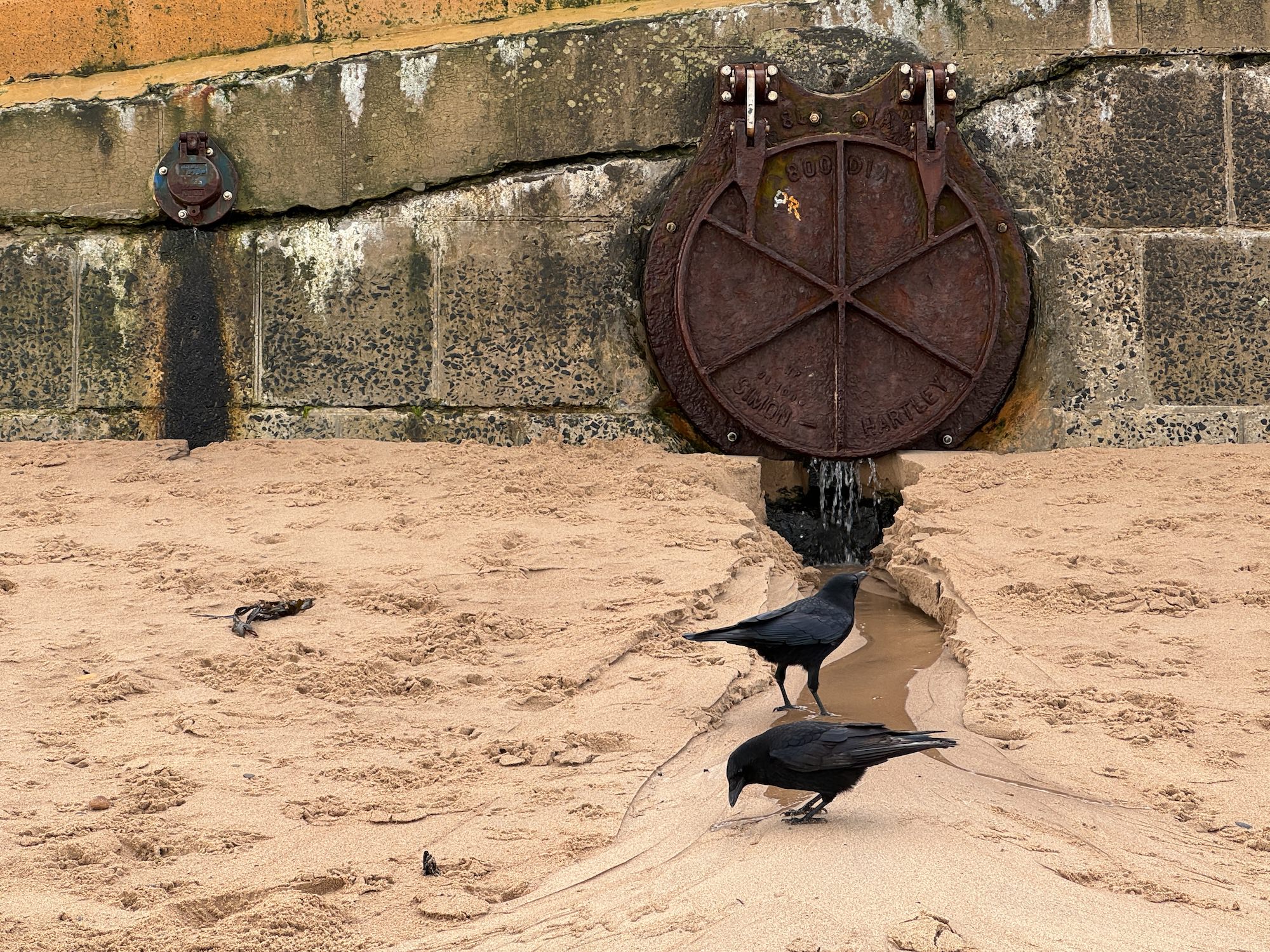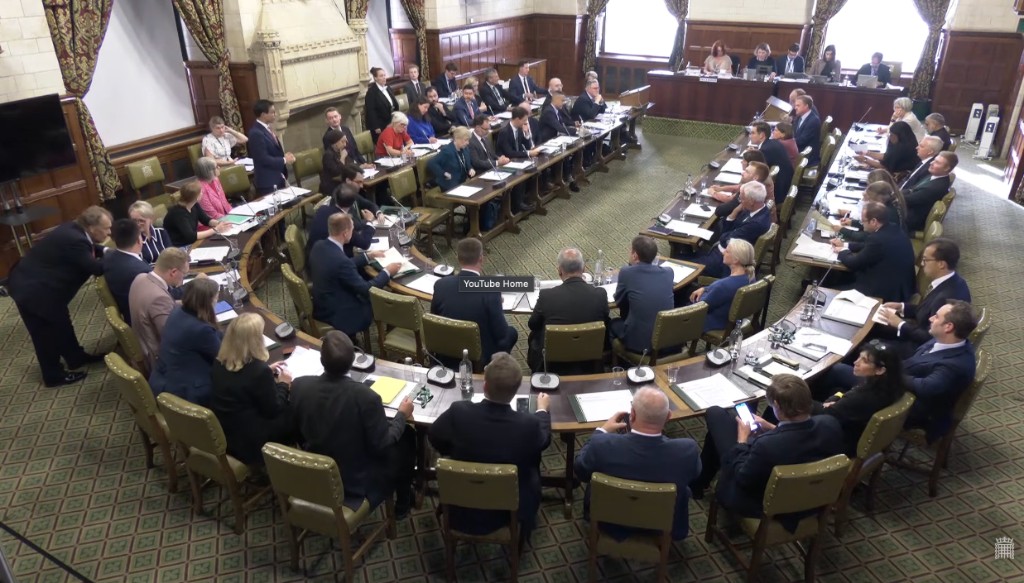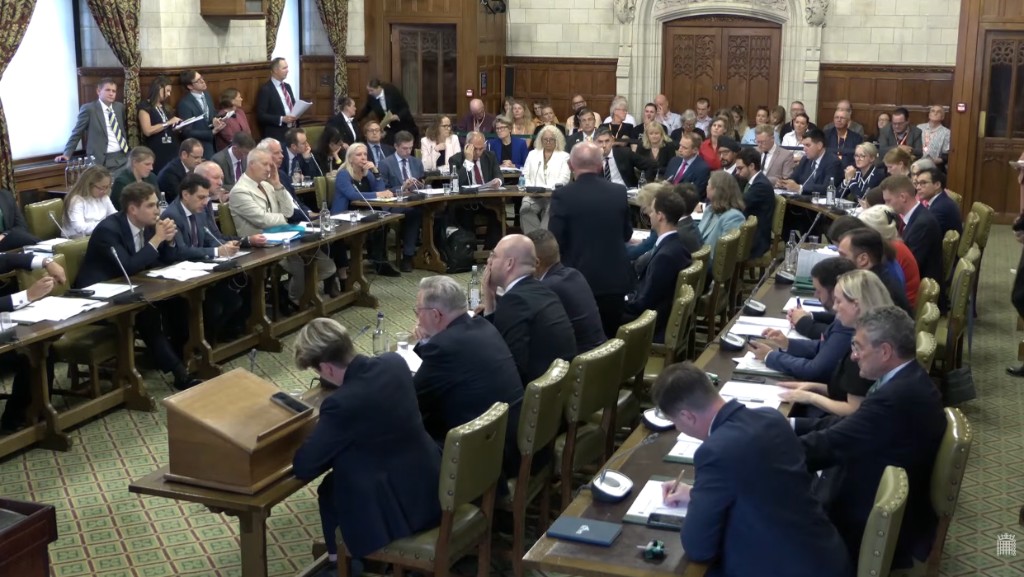
West Sussex has sat at the absolute sharp end of the sewage crisis. In the Westminster debate, John Milne, MP for Horsham, highlighted the utter failure of Southern Water across the region, where former CEO Matthew Wright faces criminal charges over allegations of presiding over fraudulent sewage data.
MPs debated how to clean up the mess without handing the bill back to taxpayers.
The “£100 billion” myth
Opponents of public ownership often claim buying back water monopolies would cost taxpayers £100 billion. Jim Dickson MP pointed out that this number relies on inflated regulatory valuations — a scare figure designed to close the conversation, not a market price anyone has actually had to pay.
Special administration, not a shareholder rescue
Dickson urged ministers to use a Special Administration Regime (SAR) for collapsing giants like Thames Water — a mechanism that bypasses massive shareholder bailouts, resets true market values, and forces accountable management. That is the opposite of writing a cheque to the people who geared the company in the first place.
The mutual model
Milne argued for a non-profit mutual model similar to Welsh Water, stopping excess corporate bonuses dead in their tracks so every penny of water bill revenue is forced back into fixing broken pipes and stopping coastal spills.
If the data was cooked, the spills were real. West Sussex did not imagine the sewage; it swam in it.
Fraud charges, a collapsing balance sheet, and a round number waved around as if it were physics: that is the regulatory argument in 2026. The Hansard record is worth reading in full. Related: £83 billion extracted since 1989 · The petition that forced the debate.