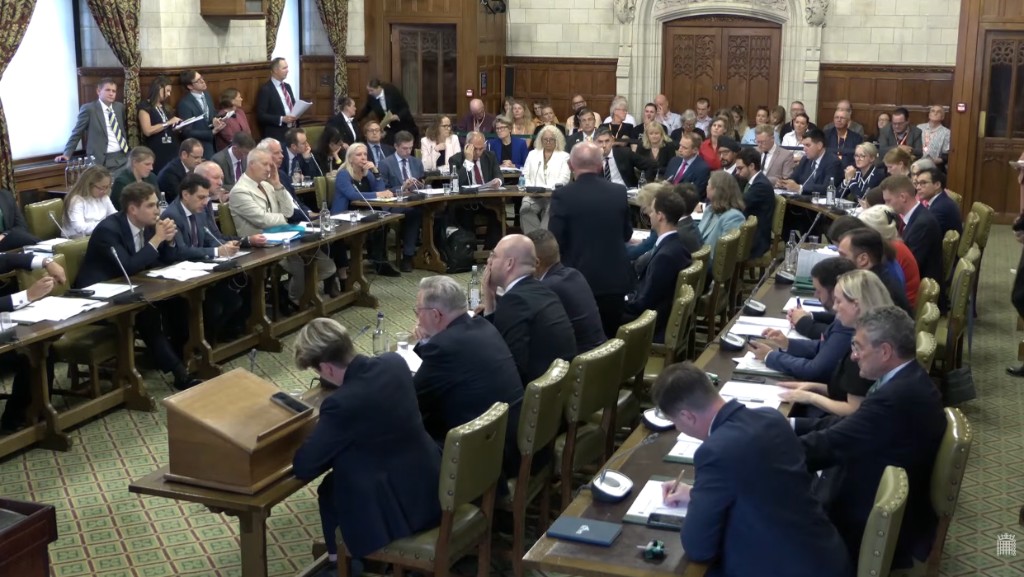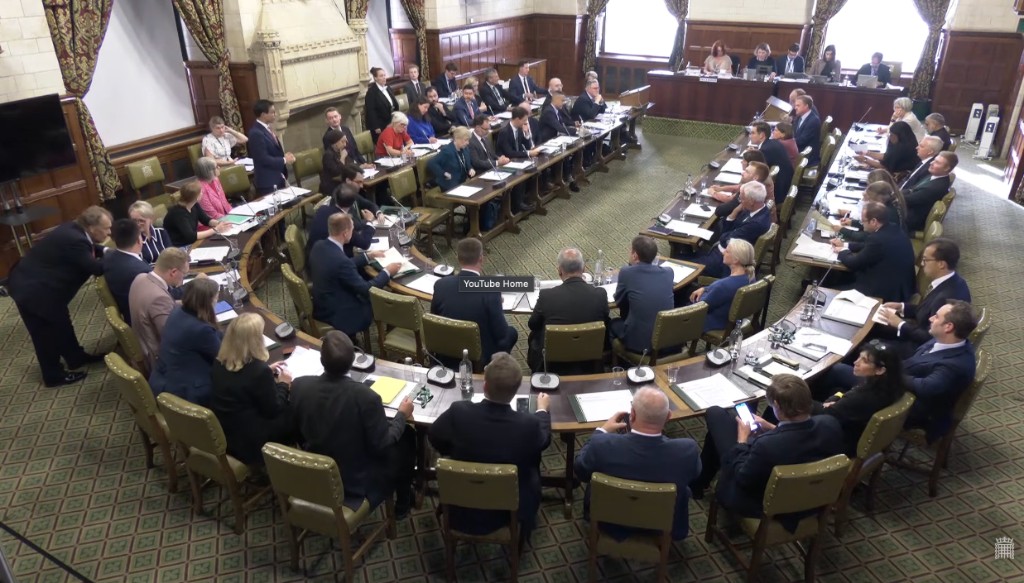
The entire 14 September parliamentary debate was forced onto the agenda by everyday water users. E-petition 762640, started by Ashley Paul Smith — founder of Windrush Against Sewage Pollution (WASP) — surpassed 100,000 signatures to demand a binding national referendum on returning water utilities to public hands.
By the time MPs sat down, the petition had passed 200,000 signatures. Westminster Hall cannot grant a referendum. It can put the argument on the record. That is what 100,000 (then 200,000) people bought: a hearing, not a vote.
The debate highlighted a growing rift between grass-roots campaigners and Westminster politicians.
Grass-roots anger
Smith’s campaign (featured in Channel 4’s Dirty Business) argues that water users are sick of being told they cannot have clean seas simply because offshore financiers demand guaranteed returns on their investments.
Government pushback
While ministers pointed to the Water (Special Measures) Act and regulatory tightening, MPs supporting the petition argued that 35 years of “regulatory tinkering” has failed miserably. Water Minister Emma Hardy told the House the government was bringing in tougher regulation, stronger enforcement and greater accountability — the same toolkit campaigners say has already been tried.
The Berlin example
MPs pointed to Berlin, which successfully re-nationalised its municipal water network following a massive public campaign, proving that transparent, community-led water management is entirely achievable.
Water is a basic human necessity. The petition asked for the people to decide who owns and controls it. Parliament was not asked to agree. It was asked to listen.
Related: Why Dirty Business matters for wingers · Full Hansard breakdown