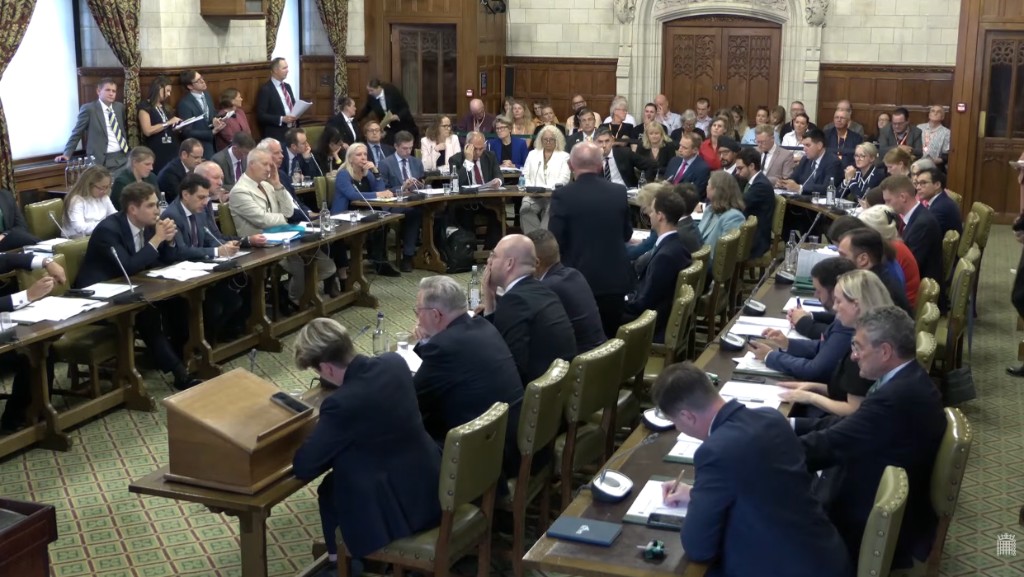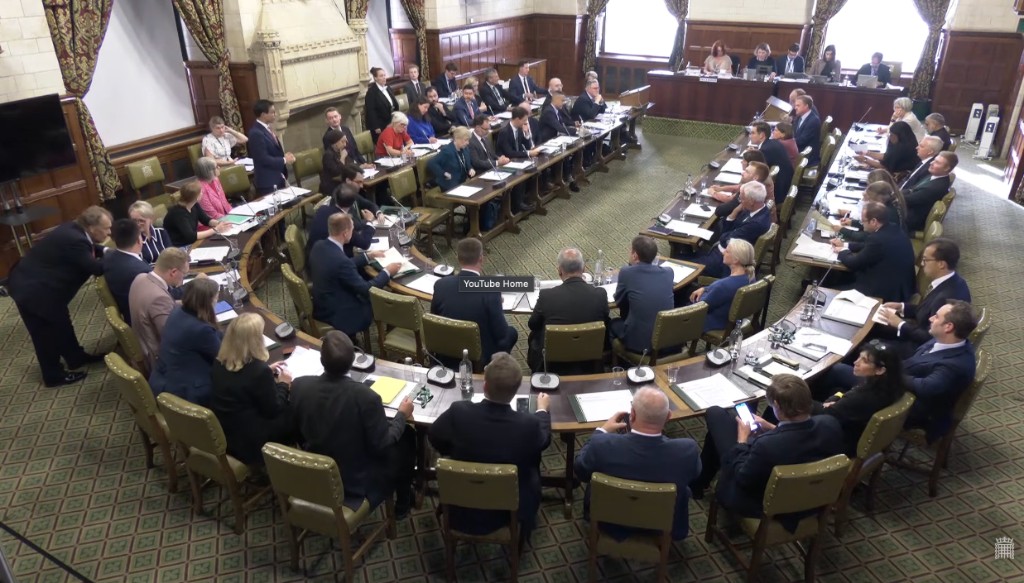
On 14 September 2026, Parliament laid out the raw figures behind the privatisation of the UK water industry in a Westminster Hall debate.
Opening the session, Labour MP Paul Davies highlighted that since Thatcher sold off the network in 1989 for £5.2 billion, private water monopolies have extracted a staggering £83 billion in dividends (in 2024 prices)—averaging £2.4 billion stripped out of the system every year. Worse still, vast loans were loaded onto balance sheets simply to fund shareholder payouts when operational profits fell short.
The result of that financial engineering on the ground?
- Zero new reservoirs built in England since 1992.
- 3 billion litres of clean water lost every single day through decaying, leaky pipework—with Thames Water alone leaking upwards of 140 litres per property served daily.
- 80% foreign ownership, meaning the vast majority of water bills flow straight to international private equity funds and offshore entities, including in China, rather than back into UK infrastructure.
While utility bosses pocketed massive bonuses and Severn Trent reported an £850 million profit (a 45% jump), water bills for households continue to soar. It is a stark example of a system designed to extract value rather than protect public resources.
This is not a side-effect of privatisation. It is the business model: take the dividends, gear the debt, and leave the pipes to whoever is still paying the bill.
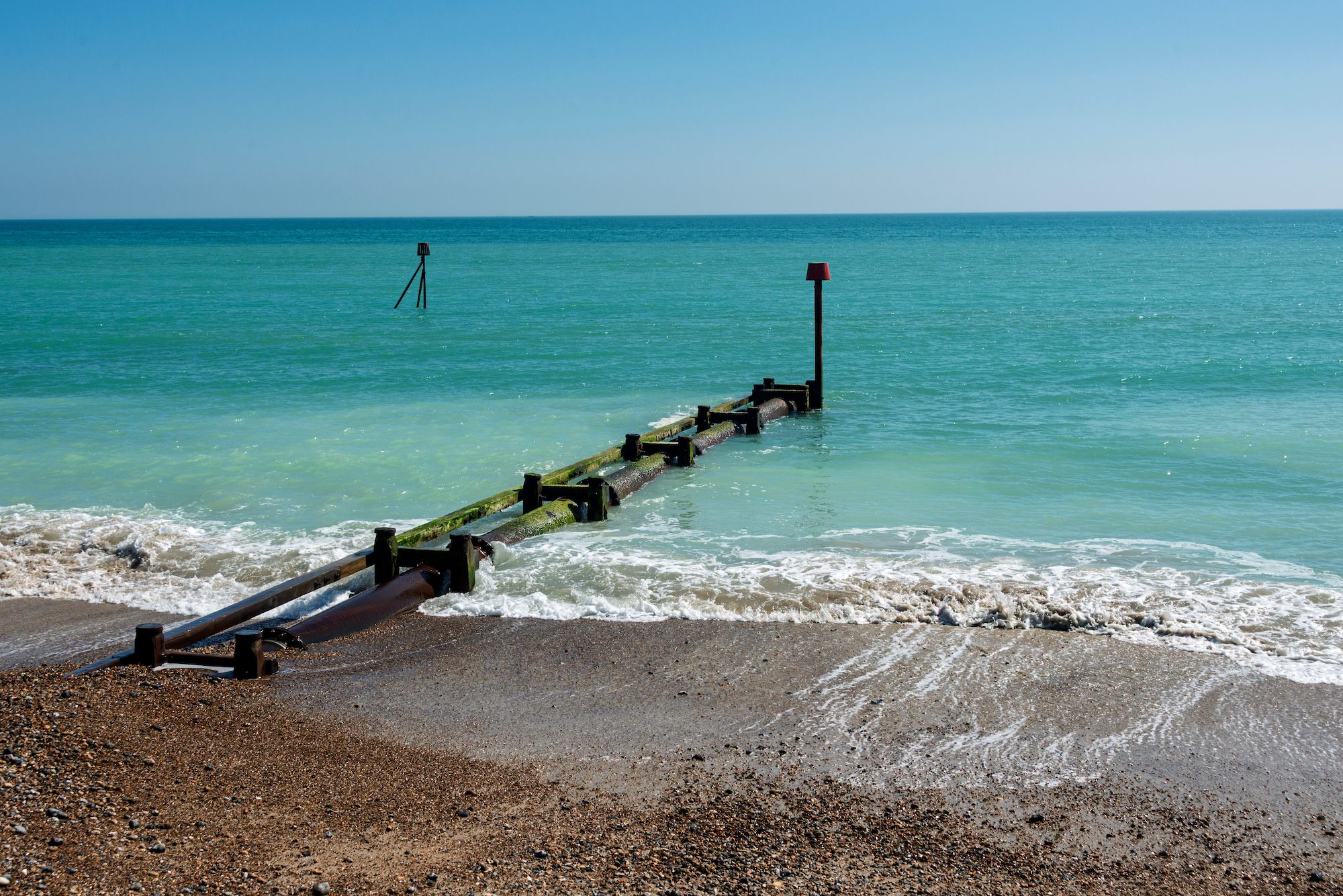
None of that is an argument about an app. It is the ledger behind every overflow you can smell from a car park, and every year of “investment” that somehow never quite reaches the coast. The BBC’s account of the debate captured the same consensus in Westminster: the current model is broken, even where MPs disagree on the remedy.
Related: West Sussex, fraud charges, and the £100 billion myth · Full Hansard breakdown