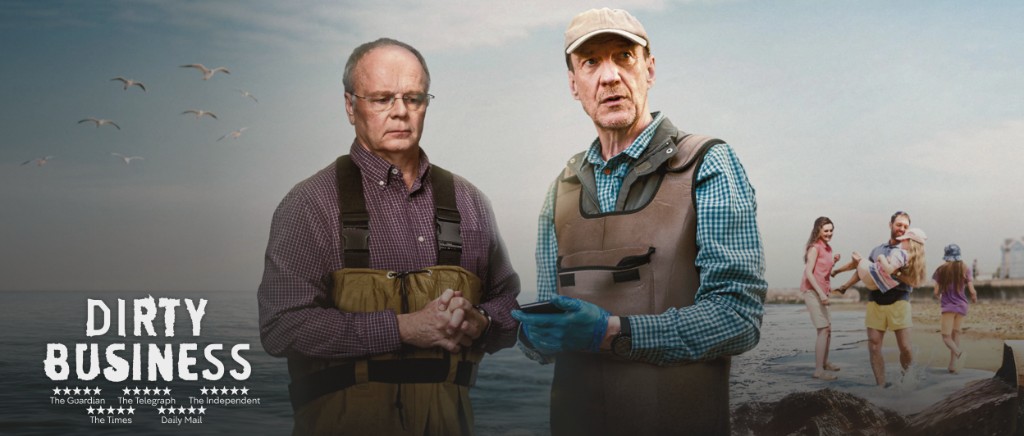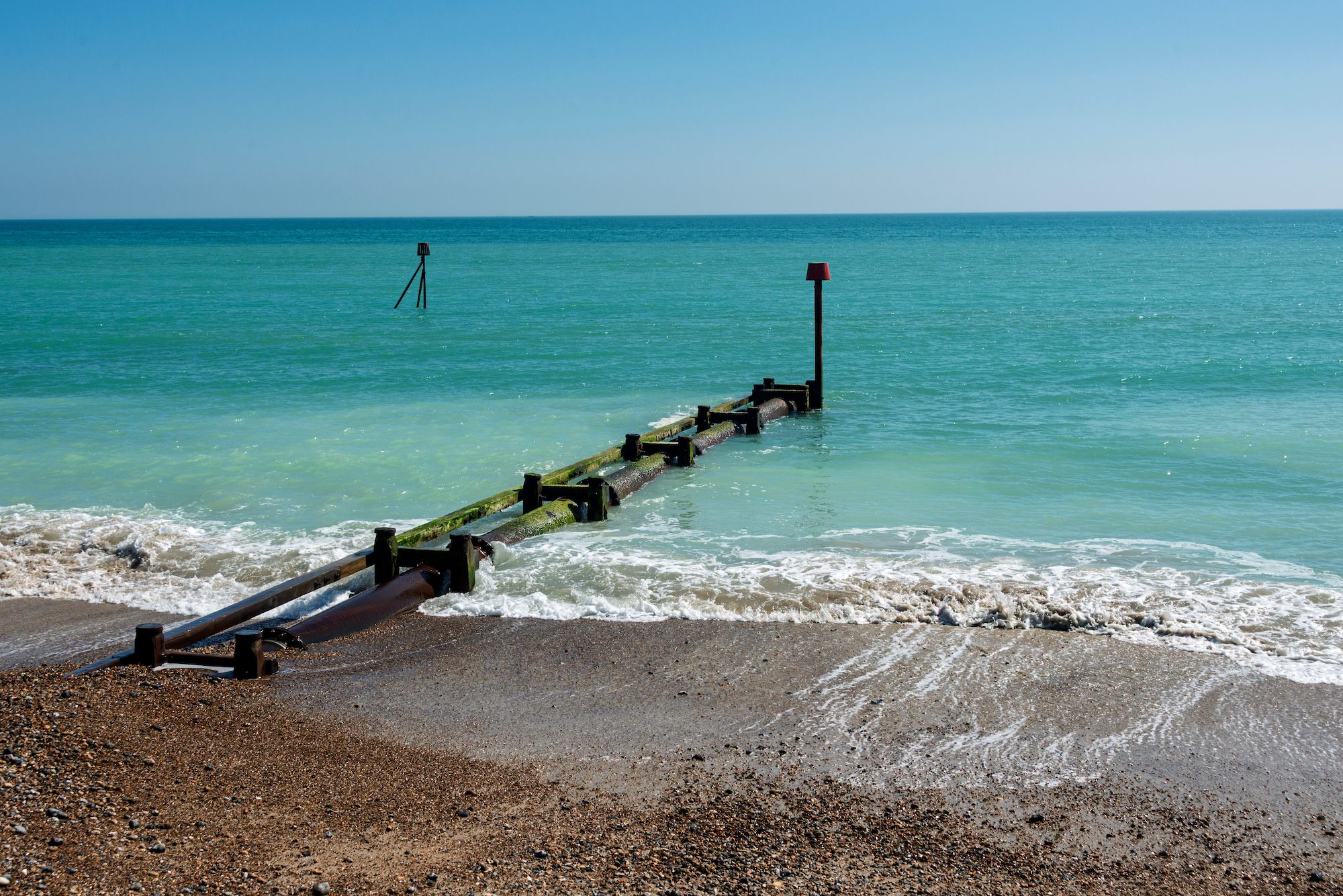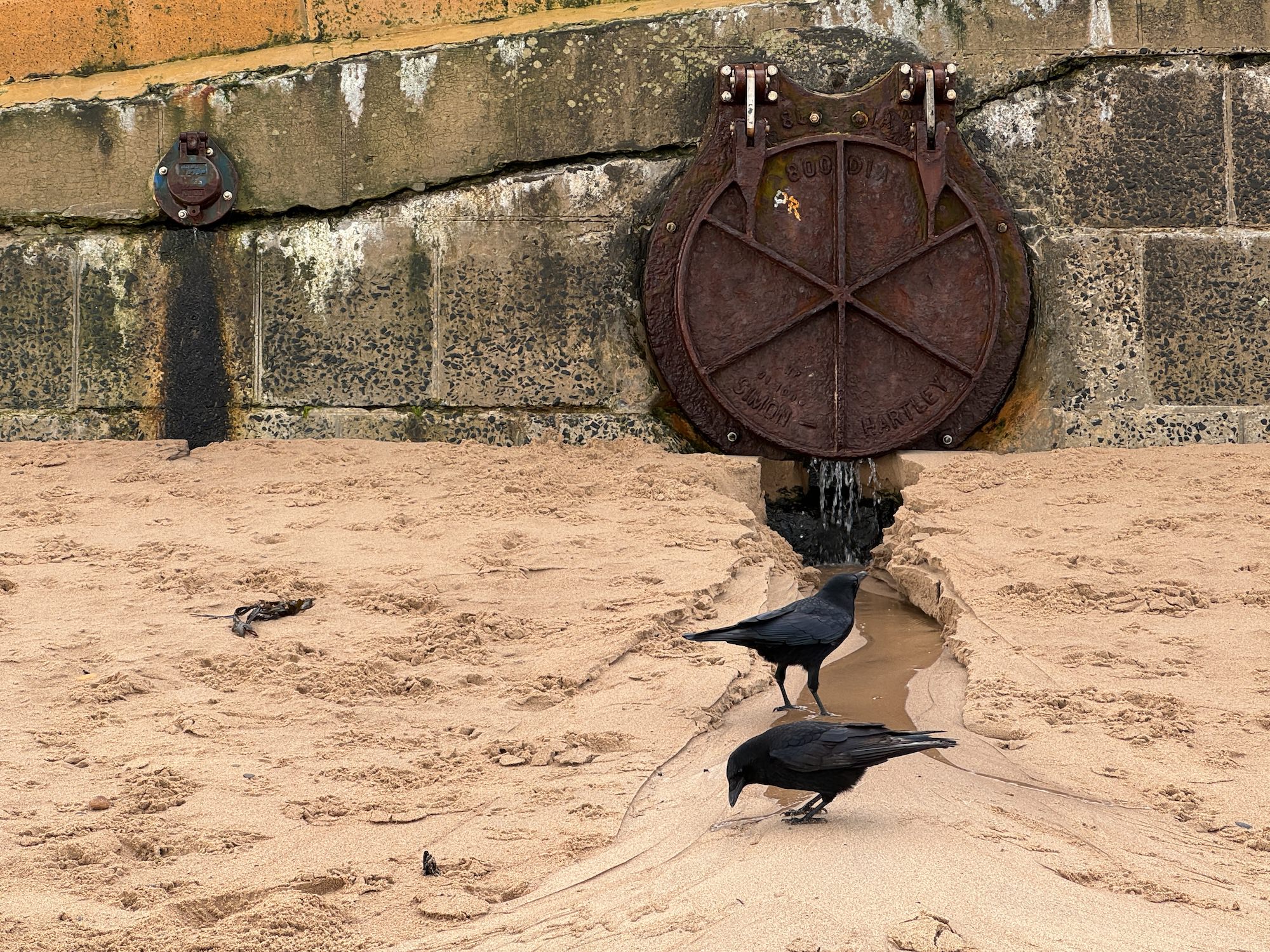
The broadcast of Channel 4's Dirty Business last month acted as a lightning rod for the UK's watersports community. For those of us who spend our winters chasing south-westerlies, the footage of ageing infrastructure failing under heavy rainfall wasn't just a political talking point - it was a visceral reminder of why we occasionally leave a session with more than just tired forearms.
In 2025 alone, over 124,000 hours of sewage were discharged into designated bathing waters. As we move into the 2026 season, the "sewage scandal" has moved from the periphery to the very centre of our pre-session checklist.
The Reality of "Good" Ratings
One of the most startling revelations from recent data is that nearly three-quarters of reported water-related illnesses occurred at beaches officially rated as "good" or "excellent" by regulatory bodies. For the winger, this means that a blue flag on a flagpole doesn't always equal a green light for your health.
Water quality isn't a static measurement; it's a moving target influenced by tide, rainfall, and local infrastructure. We have to treat it with the same respect we give a 30-knot forecast.
Your 2026 Clean Water Checklist
Before you rig up, we recommend a three-tier check:
- The 48-Hour Rule: Avoid launching within 48 hours of heavy rainfall, especially near river mouths or urban CSOs (Combined Sewer Overflows).
- Live Monitoring: Use KnotNow's integrated water quality alerts alongside your wind and tide forecast. Our 2026 updates pull in better regional rainfall data to help you spot saturated catchments - no need to juggle separate apps.
- Post-Session Hygiene: It sounds basic, but a freshwater rinse and anti-bacterial ear drops can be the difference between a great week and a month off the water with an infection.
The "Dirty Business" era of UK winging requires a bit more legwork before we hit the water, but by staying informed - and using the right tools—we can continue to enjoy our coastline safely while supporting the push for a cleaner future.